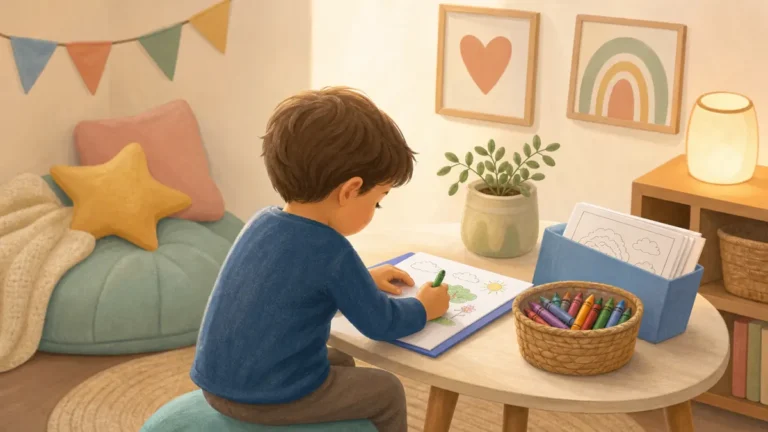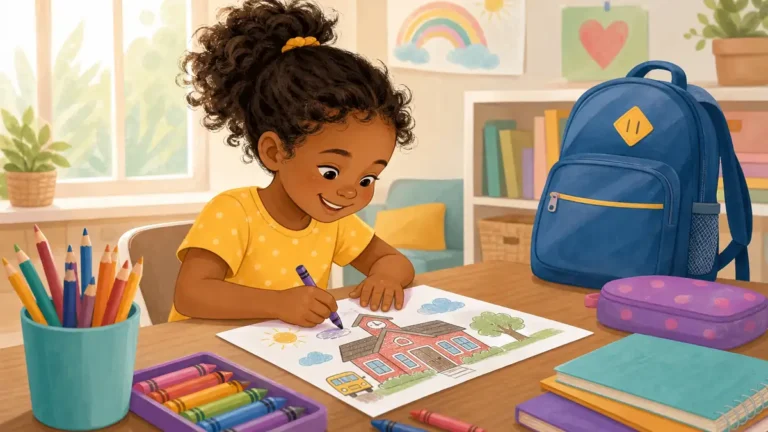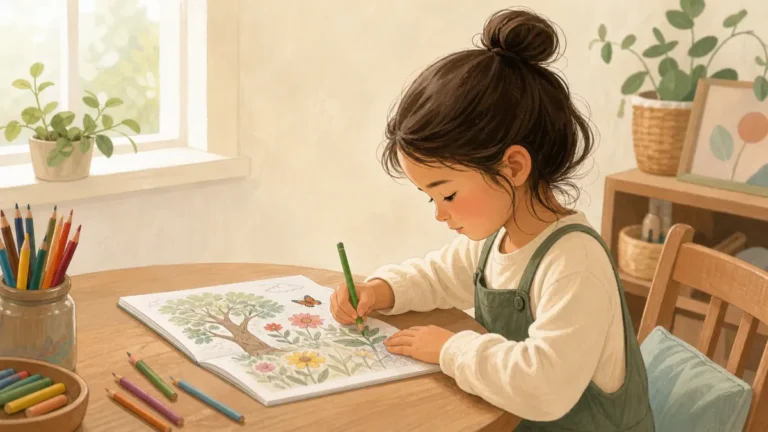

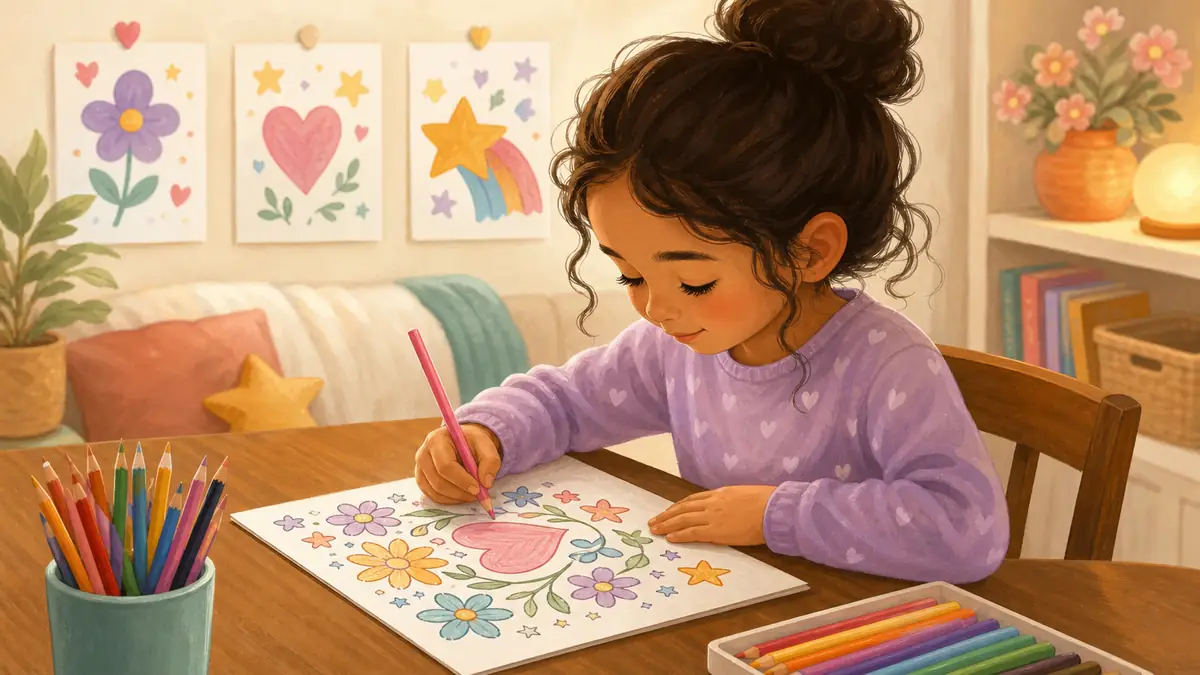

Positive affirmation coloring pages for kids combine the calming, focused engagement of coloring with deliberate positive self-messaging — and the combination is more effective than either approach alone. A child who colors “I am brave” doesn’t just hear the message passively; they spend 15–20 minutes with it in their field of vision, tracing its letters, choosing its colors, and finishing with something they made that says something true about them. This guide covers how affirmation coloring works, when to use it, and how to build it into a child’s regular routine.
Why Affirmation Coloring Works
Affirmations work through repetition and positive association — the message needs to be encountered multiple times in a positive emotional context for it to become genuinely internalized rather than a recited phrase. Coloring creates exactly this condition. A child who spends 20 minutes coloring “I can do hard things” has encountered that message hundreds of times across the coloring session, in a calm, focused, pleasant state. The coloring activity provides the positive emotional context that makes the affirmation stick.
The physical process adds another dimension. Coloring the words of an affirmation — tracing their outlines, filling their letters — is a form of kinesthetic encoding. The motor memory of coloring “I am enough” connects to the visual memory of the finished page and the emotional memory of the calm session in a multi-layered way that simply reading the affirmation cannot match.
Best Affirmations for Children by Age
Ages 3–6: Simple Identity Affirmations
Young children’s affirmations should be short, concrete, and immediately believable — messages that confirm what the child already senses to be true rather than aspirational claims that feel abstract:
- “I am loved.”
- “I am kind.”
- “I am brave.”
- “I am enough.”
- “I am strong.”
Ages 6–10: Growth and Resilience Affirmations
School-age children benefit from affirmations that address the specific challenges of their developmental stage — academic effort, social difficulty, frustration tolerance:
- “I can do hard things.”
- “Mistakes help me grow.”
- “I am a good friend.”
- “My feelings are okay.”
- “I keep trying even when it’s hard.”
Ages 10–12: Self-Concept Affirmations
Tweens benefit from affirmations that address the identity questions of early adolescence — belonging, competence, and self-worth:
- “I belong here.”
- “I am becoming who I’m meant to be.”
- “My voice matters.”
- “I choose how I respond.”
When to Use Affirmation Coloring Pages
Proactively, During Calm Times
Affirmation coloring is most effective when used during calm times rather than as a crisis intervention. A child who colors “I am brave” on a regular Tuesday will draw on that self-concept during a difficult Friday in a way that coloring it during the difficult Friday itself cannot produce. Build the reservoir during calm; draw on it during challenge.
Before Difficult Situations
When a child is anticipating something anxiety-provoking — a new school, a medical appointment, a difficult social situation — coloring a relevant affirmation in the days beforehand primes the self-concept that the situation will test. “I can do hard things” colored three times the week before a challenging transition is more effective than any verbal reassurance.
As Part of a Daily Calm Routine
For children who struggle with emotional regulation, a daily 10–15 minute affirmation coloring session — at the same time each day, as part of a consistent routine — builds the positive self-concept that dysregulation erodes. After-school or before-bed are the most effective time slots.
Classroom Morning Meeting
Teachers who incorporate affirmation coloring into morning meeting or morning work time report that it sets a positive, focused tone for the school day. A class-wide affirmation page connected to the current social-emotional learning focus (kindness week, growth mindset unit, conflict resolution) integrates SEL into the morning routine without additional instruction time.
Displaying Finished Affirmation Pages
The affirmation coloring page doesn’t end its work when the child puts down the crayon. A completed affirmation page displayed where the child will see it daily — on the bedroom wall, the bathroom mirror, the refrigerator — continues to deliver the positive self-messaging in the child’s daily environment. The physical display is part of the affirmation practice, not an optional add-on.
Some families build an affirmation gallery — a section of wall covered in the child’s completed affirmation pages — that accumulates over time into a visual record of positive self-beliefs. Children often reference this gallery voluntarily during difficult moments, finding their own past affirmations genuinely comforting.
For broader emotional regulation coloring approaches, see our pillar guide on mindful coloring for kids and our guide to coloring activities for big feelings.
Frequently Asked Questions
Do positive affirmation coloring pages actually help children?
Yes — when used consistently and proactively (during calm times rather than only during crises), affirmation coloring builds positive self-concept through repeated, emotionally positive exposure to affirming messages. The coloring activity provides the focused, pleasant context that makes the affirmation more than a passing phrase — it becomes a message the child has spent time with, colored, and displayed. The effect is strongest with daily or near-daily practice over weeks rather than occasional single sessions.
What’s the best age to start affirmation coloring?
Children as young as 3 can benefit from simple affirmation coloring — they don’t need to read the words for the message to register. A parent who names the affirmation as the child colors (“This says ‘I am brave’ — you are brave!”) delivers the message verbally while the child encodes it visually and kinesthetically. Explicit self-reading of affirmations is appropriate from age 5–6 when independent reading is emerging.
Can I make my own affirmation coloring pages?
Yes — the simplest approach is to write or print an affirmation in large, bold letters on plain paper and let the child color the letters, add illustrations, and decorate the border. The child’s creative ownership of the page increases its emotional significance. Alternatively, browse our people and family pages and nature pages for pages that can be paired with affirmation writing as a companion activity.
Positive affirmation coloring pages are a simple, sustainable way to build the positive self-concept that helps children navigate the challenges of childhood with more resilience and less self-doubt. Browse our coloring library at cutecoloring.org and visit our Tips & Techniques hub for emotional wellness and SEL coloring resources.