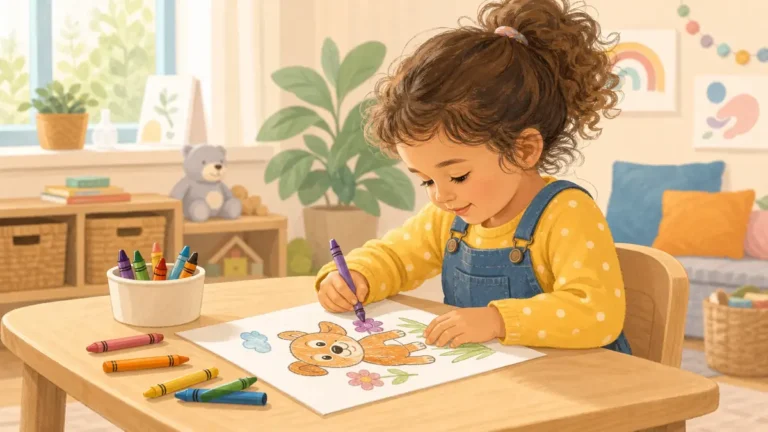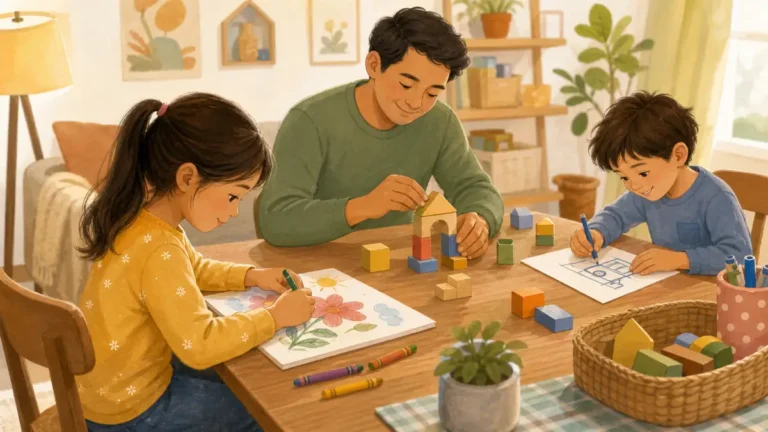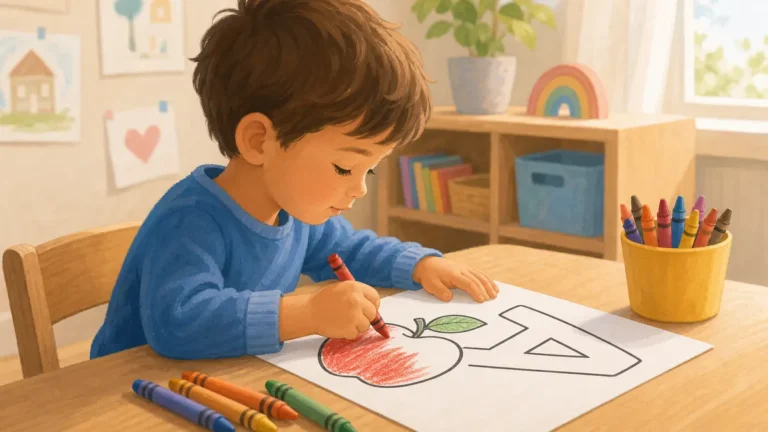

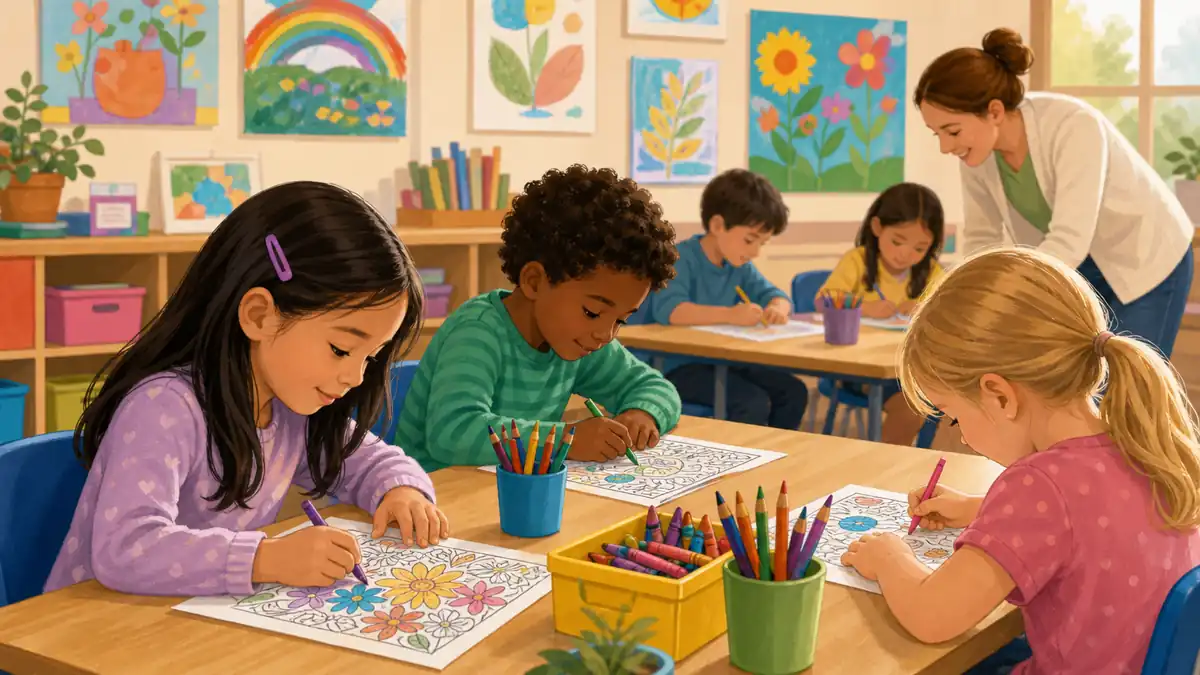

Art activities for kids in the classroom don’t require an art teacher, a dedicated budget, or a supply room full of materials — printable coloring pages, crayons, and a clear connection to the current unit are enough to deliver genuine artistic and developmental value alongside your academic content. The best classroom art activities are ones teachers can execute independently, in under 10 minutes of prep, with results that enhance the curriculum rather than interrupt it.
Why Art Activities Matter in the Classroom
Research consistently shows that integrating art into academic content improves retention, increases engagement, and supports the learning of students who struggle with purely text-based instruction. Art activities engage visual-spatial intelligence and provide an alternative channel for demonstrating understanding — particularly valuable for English Language Learners and students with learning differences.
Beyond learning outcomes, art activities in the classroom:
- Build fine motor skills that support writing across all subject areas
- Create a classroom culture that values creativity and aesthetic expression
- Produce tangible, displayable evidence of learning that motivates students and communicates progress to parents
- Give students who struggle academically an opportunity to experience genuine success and recognition
Easy Art Activities for the Classroom Using Coloring Pages
Curriculum-Connected Coloring
The simplest and most sustainable classroom art activity: print a coloring page that connects to the current unit and build 15–20 minutes of structured coloring into the lesson. A life cycle coloring page during a science unit on metamorphosis. An alphabet page during phonics instruction. A seasonal page at the start of a new month.
The connection to curriculum is what elevates coloring from a time-filler to a genuine instructional tool. Students produce a visual artifact of the concept while simultaneously building fine motor skills and experiencing the calming focus that supports subsequent learning.
Nature Study Coloring
Bring nature study into the classroom by pairing our science and nature pages and animal pages with non-fiction read-alouds, short video clips, or hands-on specimens (a leaf, a feather, a shell). Ask students to add labels or write one observation beneath the finished coloring page for a combined art and science activity that takes 20 minutes total.
Collaborative Class Art Projects
Assign each student a different page from the same theme — one student colors the lion, another the elephant, another the giraffe — and assemble the finished pages into a class mural or book. This builds community, creates an impressive whole-class display, and gives every student a meaningful contribution to something larger than their individual page.
Seasonal Bulletin Board Art
Rotate bulletin board displays through the year using student-colored seasonal pages. Our holiday pages and seasonal pages produce beautiful bulletin board content without requiring teacher art skills or elaborate supplies. Students take genuine pride in seeing their work displayed publicly.
Classroom Art Activities Beyond Coloring
While coloring pages are the most practical classroom art tool, several quick companion activities extend the creative experience without adding significant complexity:
- Watercolor wash over coloring: Color a page with crayons, then paint over with a thin watercolor wash — the crayon resists the paint creating a beautiful batik effect
- Cut and collage: Color multiple pages, then cut and reassemble elements into a collage — great for narrative art projects
- Coloring + writing: Finished coloring page becomes the cover or illustration for a short writing piece — gives purposeful connection between art and language arts
- Pattern and design extension: Use the outline of a coloring page as a starting point, then encourage students to extend the design onto the rest of the paper using their own patterns
Managing Art Activities in a Busy Classroom
The practical challenge of classroom art isn’t the activity itself — it’s the logistics. These management strategies make coloring-based art activities run smoothly:
- Pre-cut supply bags (4–6 crayons per bag) so distribution takes 30 seconds, not 5 minutes
- Print 10% more pages than students — for errors, latecomers, and take-home requests
- Designate an “art table” in one corner for early finishers to continue independently
- Establish a consistent display protocol (name on back, not front) from day one
For a full library of classroom-ready coloring pages organized by subject and season, visit our Tips & Techniques hub.
Frequently Asked Questions
What are the easiest art activities for classroom teachers without art training?
Printable coloring pages are the most accessible classroom art tool for non-specialist teachers because they require no drawing instruction, minimal supplies, and zero artistic confidence from the teacher. Curriculum-connected coloring, seasonal bulletin board art, and collaborative class murals are all achievable for any classroom teacher with a printer and crayons.
How often should classrooms do art activities?
Daily brief art (10–15 minutes of morning work coloring) is achievable and valuable. Dedicated art sessions of 20–30 minutes two to three times per week is a realistic and sustainable target for most classroom schedules. Even one structured art activity per week produces measurable benefits in fine motor development and student engagement.
How do I connect art activities to the curriculum?
Choose coloring pages that feature the subject matter of your current unit. Science units: life cycle, animal, or nature pages. Social studies units: community helpers, world geography, or people and family pages. Language arts: alphabet or story scene pages. Math: number, pattern, or geometry pages. The connection doesn’t need to be exact — adjacent is enough to create meaningful curriculum integration.
Are coloring pages appropriate for older elementary students?
Yes — with age-appropriate complexity. Older students (grades 3–5) benefit from detailed scenes, labeled diagrams, and coloring pages used as launching points for more sophisticated art techniques (shading, blending, pattern extension). The activity remains valuable for fine motor development, focus, and creative expression across the elementary years.
What supplies do I need for classroom art activities with coloring pages?
A printer, plain paper, and crayons are all that’s required. For enhanced results: colored pencils for older students, cardstock for pages that will be displayed, and watercolors for the crayon-resist technique. Total supply cost per student per activity is typically under $0.25, making it one of the most cost-effective classroom art formats available.
Every classroom teacher — regardless of budget, art training, or schedule pressure — can integrate meaningful art activities into the school week. A stack of curriculum-connected coloring pages and a set of crayons is a complete classroom art program for most elementary grades. Browse our full library at cutecoloring.org and find pages that fit your current unit, your season, and your students.