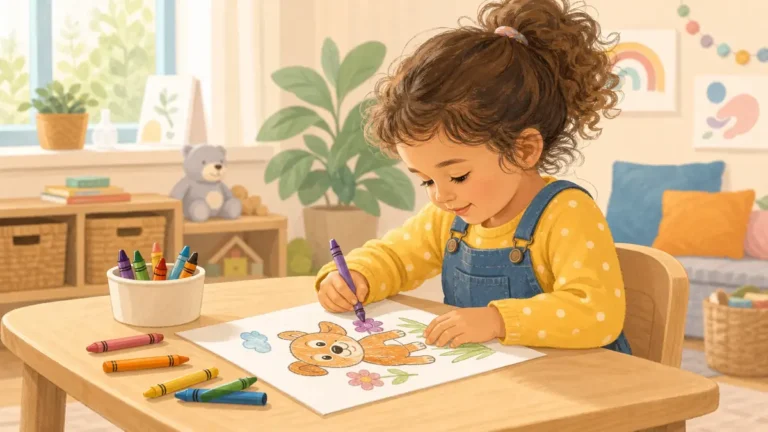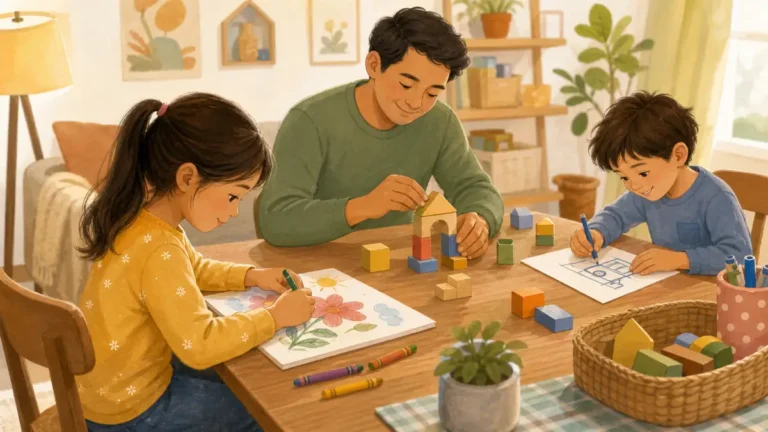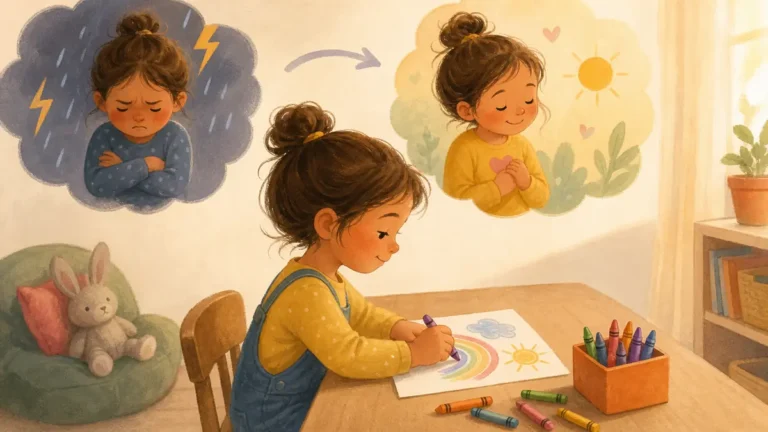


The most effective relaxation techniques for kids using coloring combine the inherently calming motion of coloring with intentional breathing, sensory grounding, and theme choices that support a calm mental state. Used consistently, coloring-based relaxation gives children a self-directed tool they can reach for independently — without adult prompting — when stress, anxiety, or overstimulation builds.
Why Coloring Works as a Relaxation Technique for Kids
Coloring is one of the few activities that naturally induces a light meditative state in children. The repetitive, focused hand movements engage the brain’s motor cortex while reducing activity in the default mode network — the area associated with rumination, worry, and self-referential thinking. Simply put, it’s hard to stay anxious when your hands are carefully coloring a flower petal.
For children who struggle with traditional mindfulness techniques — sitting still, following guided breathing, maintaining focus without a physical anchor — coloring provides exactly the tactile engagement needed to make relaxation accessible rather than frustrating.
Coloring Relaxation Techniques to Try with Kids
Technique 1 — Slow Breathing While Coloring
Teach children to match their breathing to their coloring strokes. A long slow stroke fills one breath in; lifting the crayon and repositioning is the exhale. This doesn’t need to be rigid — the goal is simply drawing attention to breath through the rhythm of the physical activity. After 5 minutes, most children’s breathing will have slowed and deepened without conscious effort.
Technique 2 — Color Choice as Mood Reflection
Before starting, ask the child: “What color feels right for how you’re feeling right now?” Then ask the same question after 15 minutes of coloring. This simple check-in builds emotional vocabulary and self-awareness while giving you insight into the child’s emotional state. Many children instinctively reach for warmer, lighter colors as their mood improves through the session.
Technique 3 — Gratitude Coloring
Before coloring, name one thing you’re grateful for. Color the page while keeping that thing in mind. This pairs the positive emotion of gratitude with the calming activity of coloring — a combination used in formal art therapy and mindfulness programs. Our nature coloring pages and flower and plant pages work particularly well for this technique.
Technique 4 — Sensory Grounding with Coloring
Use coloring as a grounding exercise for anxious children. While coloring, guide the child through a sensory check-in: “What do you feel in your hand? What colors are you seeing? What do you hear?” This 5-4-3-2-1 sensory approach interrupts anxious thought patterns and brings the child into present-moment awareness through the coloring activity as an anchor.
Technique 5 — Calm-Down Corner Coloring Ritual
Create a designated calm-down space — a corner of the bedroom or a specific chair — stocked with coloring pages, crayons, and perhaps a small sensory item like a soft blanket. When a child is dysregulated, they can choose to go to this space. The ritual of sitting down, choosing a page, and beginning to color provides structure during emotional chaos. Visit our Tips & Techniques hub for more on building effective calm-down tools.
Best Coloring Pages for Relaxation
Not all coloring pages produce the same calming effect. For relaxation specifically, choose pages that:
- Feature nature themes — flowers, leaves, gardens, and natural landscapes are inherently peaceful subjects
- Have repetitive patterns — mandalas, geometric designs, and repeating motifs are particularly meditative
- Match the child’s skill level — frustration from overly detailed pages defeats the purpose entirely
- Avoid high-stimulation subjects — action scenes, monsters, and bright chaotic designs for calm-down coloring
Our nature pages, flower and plant pages, and people and family pages are consistently the most effective for relaxation purposes across age groups.
Building Coloring Into a Daily Relaxation Routine
For children who struggle with anxiety or emotional regulation, the most effective approach is preventive rather than reactive — building coloring into the daily rhythm before stress accumulates rather than reaching for it only during crises.
Two particularly effective daily anchors:
- After-school decompression: 15–20 minutes of quiet coloring immediately after school allows the nervous system to shift from “on” to “off” before homework, activities, or family time.
- Pre-bed wind-down: 20–30 minutes of calm coloring replaces screens in the pre-sleep window and consistently reduces difficulty falling asleep in children who struggle with the transition.
Frequently Asked Questions
Can coloring actually reduce anxiety in children?
Yes. Multiple studies on art therapy have demonstrated that repetitive creative tasks including coloring measurably reduce anxiety in children and adults. The mechanism involves reducing activity in the amygdala (the brain’s stress center) and engaging the prefrontal cortex. It isn’t a replacement for professional support when clinical anxiety is present, but it’s a genuinely evidence-backed self-regulation tool.
What age can children start using coloring for relaxation?
Children as young as 2 can experience the calming effects of mark-making and coloring, though the intentional relaxation techniques described here are more effective from age 4–5 onward, when children have sufficient language and self-awareness to engage with the reflection components. The basic calming effect of focused coloring works from toddlerhood.
How long should a relaxation coloring session last?
A minimum of 10–15 minutes is needed to produce a measurable calming effect. Most children benefit from sessions of 20–30 minutes for full relaxation. There’s no upper limit — children who find it deeply calming may color for an hour or more without diminishing returns.
Are there specific coloring techniques that are more calming than others?
Slow, deliberate strokes are more calming than quick, scribbling motions. Using the whole length of the crayon rather than just the tip produces a softer sensory experience. Choosing analogous colors (colors close to each other on the color wheel) rather than high-contrast combinations tends to produce calmer finished pages and a calmer coloring experience.
Should I do relaxation coloring with my child or let them do it alone?
Both work, but for different purposes. Coloring alongside your child during relaxation time deepens the connection and models calm behavior — particularly powerful for anxious children who regulate better in the presence of a calm adult. Independent coloring builds self-regulation and the ability to self-soothe without external support. Aim for a mix of both across the week.
Relaxation doesn’t have to be complicated to be effective. A quiet space, a coloring page with a calming theme, and a set of crayons is a complete toolkit for children’s stress management — and one that costs almost nothing to set up. Browse our nature and flowers and plants coloring pages to start building your relaxation coloring library.